
IBISWorld Platform
Answer any industry question in minutes with our entire database at your fingertips.

IBISWorld forecasts the number of dwelling commencements to climb by 5.3% in 2025-26, to 188,846. This growth is expected to be driven mainly by recovering multi-unit and apartment commencements, with a slight uptick in house commencements. Demand-side factors remain strong, with the expansion of the Australian Government's 5% Deposit Scheme in October 2025, including key changes like reducing income caps. However, labour and material shortfalls will keep construction costs elevated, placing downwards pressure on dwelling commencements. From previous expectations of a falling OCR (from major banks like the Commonwealth Bank of Australia, Westpac or NAB), elevated interest rates above 4% following concurrent hikes in 2026 have encouraged consumers to save more money, reducing housing investment and demand for new detached homes.Australia's growing population has supported many dwelling commencements over the past decade. Growth in residential housing prices in 2015-16 contributed to high levels of dwelling approvals and commencements. Developers sought greater returns on their developments, which drove more high-density and affordable dwellings like apartments. Nonetheless, the closure of Australia's international border from March 2020 to February 2022 due to the pandemic led to a collapse in net migration. Likewise, falling business confidence and limits on foreign investment led to a sharp decline in demand for new dwellings. Government stimulus has partially supported demand, primarily through the Federal Government's HomeBuilder scheme, which was implemented to support the residential construction sector. The number of building approvals surged for detached homes after the HomeBuilder scheme's introduction and the effects filtered through to dwelling commencements. Low interest rates and government stimulus packages, such as the JobKeeper payment, boosted real discretionary incomes, which led to growth in dwelling commencements through 2020-21.Dwelling commencements over the three years through 2023-24 fell sharply. Over this period, the Reserve Bank of Australia (RBA) increased the cash rate from historic lows of 0.1% (which occurred from November 2020 to April 2022), heightening inflationary pressures on construction costs and contributing to a decline in demand. Supply chain disruptions, though now improving, have limited the availability of critical materials like timber. Labour shortages in the construction sector have increased labour costs and slowed construction activities. These factors have driven up building costs and delayed construction timelines, contributing to a rising backlog. While dwelling commencements have picked up in the past year through 2024-25, supply-side issues like adequate land supply, workforce capacity and appropriate infrastructure remain challenging. Overall, IBISWorld forecasts the number of dwelling commencements to contract at a compound annual rate of 2.4% over the five years through 2025-26.
Curious about what drives these trends? IBISWorld's analyst coverage on the dwelling commencements includes detailled analysis on the current performance, outlook and industries affected.
1985-2032
This report analyses the total number of dwelling construction commencements in Australia. Dwellings include both public and private houses and other private residential buildings. These other residential buildings refer to any buildings that include more than one dwelling, such as apartment buildings, blocks of flats and townhouses. Each unit in a multi-unit dwelling is counted as a separate commencement. The data for this report is seasonally adjusted and is sourced from the Australian Bureau of Statistics. The data is presented as the total number of dwelling commencements over each financial year.
IBISWorld Industry Reports are available in multiple formats to fit seamlessly into your workflow.

Answer any industry question in minutes with our entire database at your fingertips.
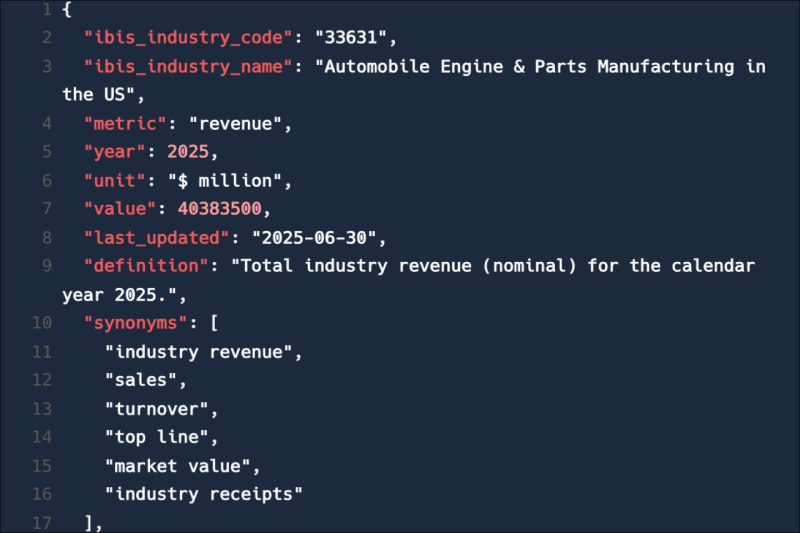
Feed trusted, human-driven industry intelligence straight into your platform.
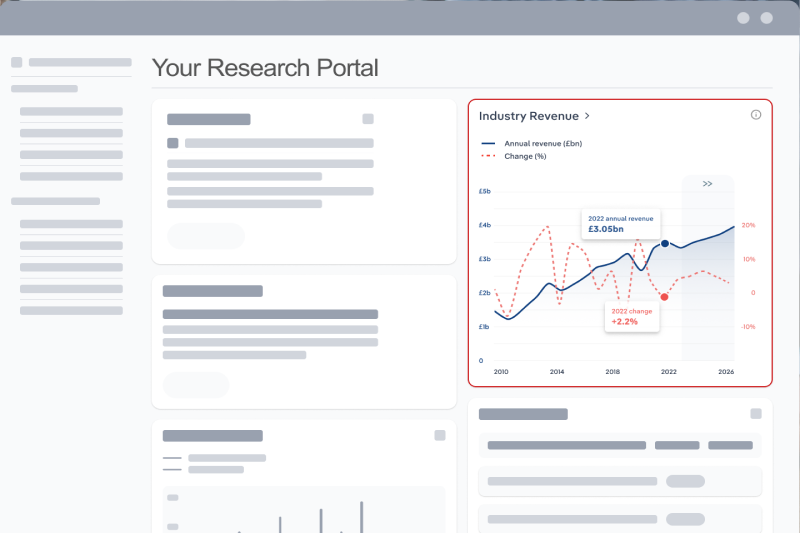
Streamline your workflow with IBISWorld’s intelligence built into your toolkit.
Explore industries with similar markets, supply chains, and economic drivers to gain broader context and insights.
When the stakes are high, you need intelligence that cuts through the noise—wherever you work.
The dwelling commencements in Australia in 2026 was 188,846 units.
The dwelling commencements in Australia declined by -2.45% in 2026.
IBISWorld’s data and analysis on dwelling commencements in Australia includes forecasted growth rates over the next five years.