
IBISWorld Platform
Answer any industry question in minutes with our entire database at your fingertips.

The Airport Operations industry features several dominant players, with most aircraft movements going through Australia's major airports in Sydney, Melbourne and Brisbane. Airport operators generate revenue by charging landing and terminal fees to domestic and international airlines. Airports also receive rental income from airlines and retail stores for space leased on their premises. Airservices Australia, the industry authority that controls Australian airspace, earns revenue on a per-aircraft basis. That's why the volume of aircraft movements and passengers carried strongly correlates with industry growth.Leading into the COVID-19 pandemic, rising inbound tourist numbers and strong growth in outbound international travel helped fuel the industry's expansion. Growth in international travel benefited airport operators, as airports can charge higher fees per passenger and international airlines often outsource support services. Although the pandemic caused revenue to plummet, revenue rapidly recovered over the two years through 2022-23 as consumers flocked to visit family members and undertake long-delayed holidays. However, weakening global economic conditions, a cost-of-living crisis and negative consumer sentiment domestically, have since slowed this recovery. With inflation stabilising at 2.0% to 3.0% in line with the RBA’s target, real household incomes have recovered in 2025. This has unlocked pent-up demand for both leisure and corporate travel, driving higher passenger volumes and subsequent gains in airport retail and aeronautical revenue, tightly linking airport earnings to shifts in consumer sentiment and real income growth. Overall, revenue is expected to have risen off a low base year in 2019-20, at an annualised 4.1% over the five years through 2024-25, to $7.2 billion.Australian airport operators are navigating a cautious recovery, hampered by global economic uncertainty, persistent cost-of-living pressures and turbulent jet fuel prices. These factors have prompted airlines to limit capacity expansion and focus on margins, which has slowed passenger growth and kept industry competition intense. In response, airports are pressing ahead with major infrastructure investments, like new runways in Melbourne and Perth and the upcoming Western Sydney International Airport, which is set to shake up competition with 24-hour operations and fresh airline commitments. Simultaneously, the industry is rapidly introducing automation and digital processing to address workforce shortages and streamline operations. Revenue is set to rise at an annualised 3.6% over the five years through 2029-30, to $8.5 billion.

Answer any industry question in minutes with our entire database at your fingertips.
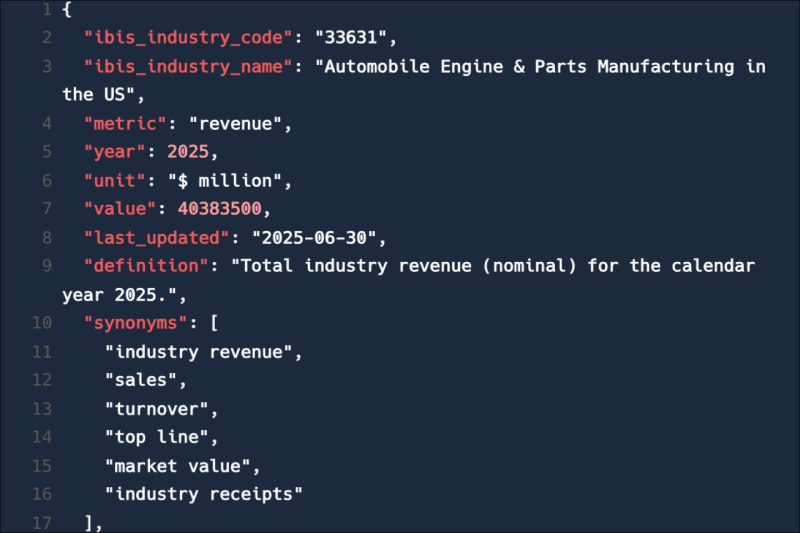
Feed trusted, human-driven industry intelligence straight into your platform.
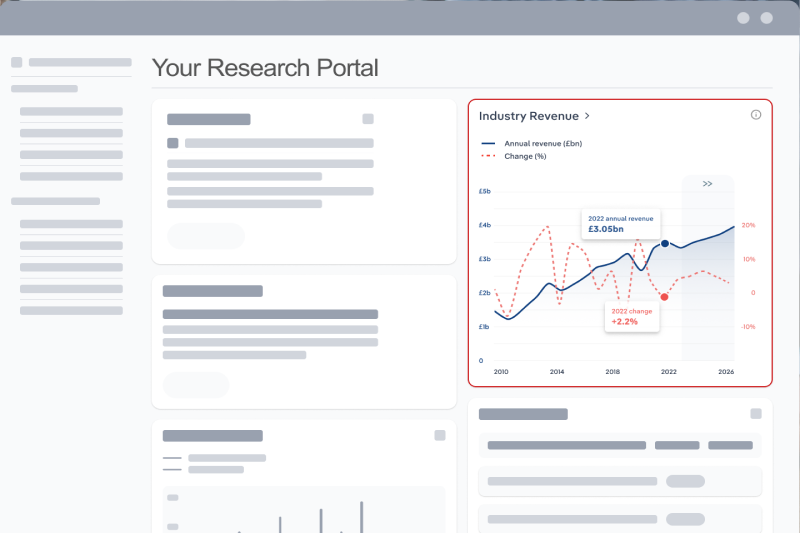
Streamline your workflow with IBISWorld’s intelligence built into your toolkit.
IBISWorld's research coverage on the Airport Operations industry in Australia includes market sizing, forecasting, data and analysis from 2015-2030. The most recent publication was released August 2025.
The Airport Operations industry in Australia operates under the ANZSIC industry code I5220. Industry companies primarily operate international, national or civil airports. Operations include services to air transport like airport terminals, runways, air traffic control, aerospace navigation and baggage handling. Related terms covered in the Airport Operations industry in Australia include civil aviation safety authority (casa), taaats, general aviation, apron and slot management.
Products and services covered in Airport Operations industry in Australia include Air traffic control and navigation, Airport aeronautics and Rent and property.
Companies covered in the Airport Operations industry in Australia include Sydney Airport, Melbourne Airport and Airservices Australia.
The Performance chapter covers detailed analysis, datasets, detailed current performance, sources of volatility and an outlook with forecasts for the Airport Operations industry in Australia.
Questions answered in this chapter include what's driving current industry performance, what influences industry volatility, how do successful businesses overcome volatility, what's driving the industry outlook. This analysis is supported with data and statistics on industry revenues, costs, profits, businesses and employees.
The Products and Markets chapter covers detailed products and service segmentation and analysis of major markets for the for the Airport Operations industry in Australia.
Questions answered in this chapter include how are the industry's products and services performing, what are innovations in industry products and services, what products or services do successful businesses offer and what's influencing demand from the industry's markets. This includes data and statistics on industry revenues by product and service segmentation and major markets.
The Geographic Breakdown chapter covers detailed analysis and datasets on regional performance of the Airport Operations industry in Australia.
Questions answered in this chapter include where are industry businesses located and how do businesses use location to their advantage. This includes data and statistics on industry revenues by location.
The Competitive Forces chapter covers the concentration, barriers to entry and supplier and buyer profiles in the Airport Operations industry in Australia. This includes data and statistics on industry market share concentration, barriers to entry, substitute products and buyer & supplier power.
Questions answered in this chapter include what impacts the industry's market share concentration, how do successful businesses handle concentration, what challenges do potential industry entrants face, how can potential entrants overcome barriers to entry, what are substitutes for industry services, how do successful businesses compete with substitutes and what power do buyers and suppliers have over the industry and how do successful businesses manage buyer & supplier power.
The Companies chapter covers Key Takeaways, Market Share and Companies in the Airport Operations industry in Australia. This includes data and analysis on companies operating in the industry that hold a market share greater than 5%.
Questions answered in this chapter include what companies have a meaningful market share and how each company is performing.
The External Environment chapter covers Key Takeaways, External Drivers, Regulation & Policy and Assistance in the Airport Operations industry in Australia. This includes data and statistics on factors impacting industry revenue such as economic indicators, regulation, policy and assistance programs.
Questions answered in this chapter include what demographic and macroeconomic factors impact the industry, what regulations impact the industry, what assistance is available to this industry.
The Financial Benchmarks chapter covers Key Takeaways, Cost Structure, Financial Ratios, Valuation Multiples and Key Ratios in the Airport Operations industry in Australia. This includes financial data and statistics on industry performance including key cost inputs, profitability, key financial ratios and enterprise value multiples.
Questions answered in this chapter include what trends impact industry costs and how financial ratios have changed overtime.
The Industry Data chapter includes 10 years of historical data with 5 years of forecast data covering statistics like revenue, industry value add, establishments, enterprises, employment and wages in the Airport Operations industry in Australia.
More than 6,000 businesses use IBISWorld to shape local and global economies
We were able to supplement our reports with IBISWorld’s information from both a qualitative and quantitative standpoint. All of our reporting now features some level of IBISWorld integration.

IBISWorld delivers the crisp business knowledge we need to drive our business. Whether it be serving up our major clients, winning new business or educating on industry issues, IBISWorld brings real value.

IBISWorld has revolutionised business information — which has proved commercially invaluable to exporters, investors and public policy professionals in Australia and overseas.

When you’re able to speak to clients and be knowledgeable about what they do and the state that they operate in, they’re going to trust you a lot more.

The market size of the Airport Operations industry in Australia is $7.2bn in 2026.
There are 837 businesses in the Airport Operations industry in Australia, which has grown at a CAGR of 2.7 % between 2020 and 2025.
The Airport Operations industry in Australia is unlikely to be materially impacted by import tariffs with imports accounting for a low share of industry revenue.
The Airport Operations industry in Australia is unlikely to be materially impacted by export tariffs with exports accounting for a low share of industry revenue.
The market size of the Airport Operations industry in Australia has been growing at a CAGR of 4.1 % between 2020 and 2025.
Over the next five years, the Airport Operations industry in Australia is expected to grow.
The biggest companies operating in the Airport Operations industry in Australia are Sydney Airport, Melbourne Airport and Airservices Australia
Airport aeronautics and Rent and property are part of the Airport Operations industry in Australia.
The company holding the most market share in the Airport Operations industry in Australia is Sydney Airport.
The level of competition is low and steady in the Airport Operations industry in Australia.