
IBISWorld Platform
Answer any industry question in minutes with our entire database at your fingertips.

Private investment in computers and software in Canada is set to expand 1.9% to reach $55.2 billion in 2026, continuing its path of moderate growth. More favorable interest rates set by the Bank of Canada in 2025 have helped renew capital spending. Despite headwinds from earlier inflation and semiconductor shortages, businesses have prioritized efficiency and productivity by upgrading their IT infrastructure and software, positioning technology as a core investment across sectors. Investment growth has been further buoyed by government AI initiatives that provided capital, compute access and infrastructure support for technology-driven enterprises.From 2021 to 2026, investment growth in computers and software grew at an annualized rate of 3.6%. The post-pandemic switch to remote work prompted strong technology spend, leading to growth rates of 10.3% and 8.2% in 2021 and 2022, respectively. However, supply chain pressures, including a widespread semiconductor shortage, led to limited inventory. This placed pressure on hardware sales, leading to a 1.2% decline in investment in 2023.Later in the period, government programs supporting AI adoption and innovation became increasingly important, enabling businesses to access high-performance computing and modernize their software capabilities. By 2024 and 2025, stabilizing inflation and an accommodating interest rate environment have reignited investment, leading to growth rates of 3.9% and 5.3%.Persistent digitization, rising service-sector output and active policy support for innovation have shaped the investment landscape. The underlying expansion of non-energy exports and the expansion of the Canadian tech sector strengthened the role of computers and software as essential contributors to productivity and competitiveness. As a result, technology investment has remained more resilient than other forms of capital spending through periods of volatility.
Curious about what drives these trends? IBISWorld's analyst coverage on the private investment in computers and software includes detailled analysis on the current performance, outlook and industries affected.
1981-2032
Private investment in computers and software, measured as gross fixed capital formation (GFCF), accounts for net private investment in computers, peripheral equipment and software made by businesses. This driver measures net additions to fixed capital, computers and software, but is not adjusted for depreciation. Data is sourced from Statistics Canada and is measured in chained 2017 dollars.
IBISWorld Industry Reports are available in multiple formats to fit seamlessly into your workflow.
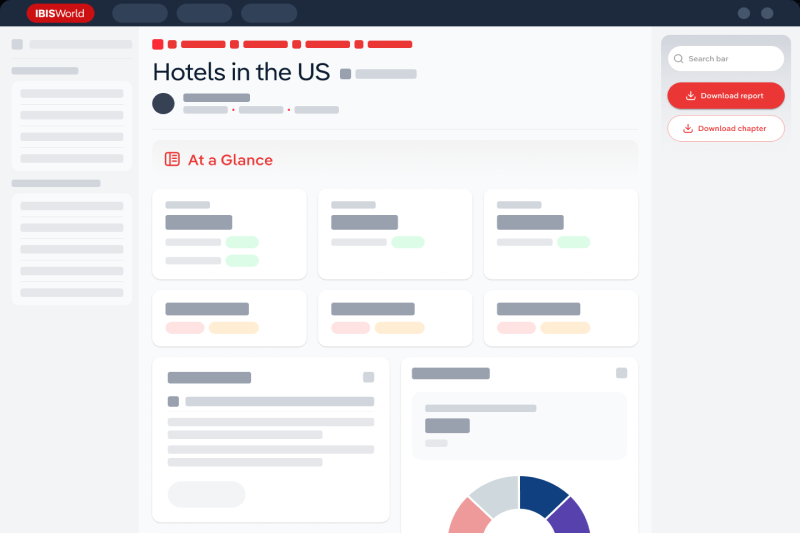
Answer any industry question in minutes with our entire database at your fingertips.
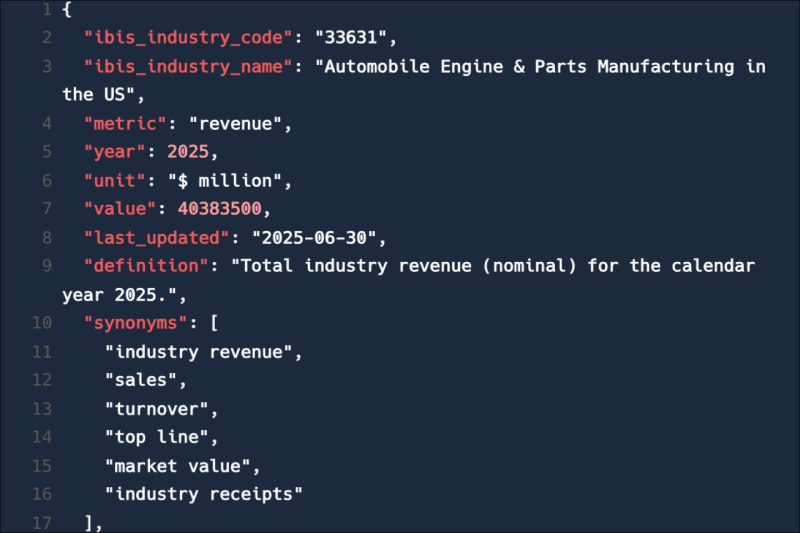
Feed trusted, human-driven industry intelligence straight into your platform.
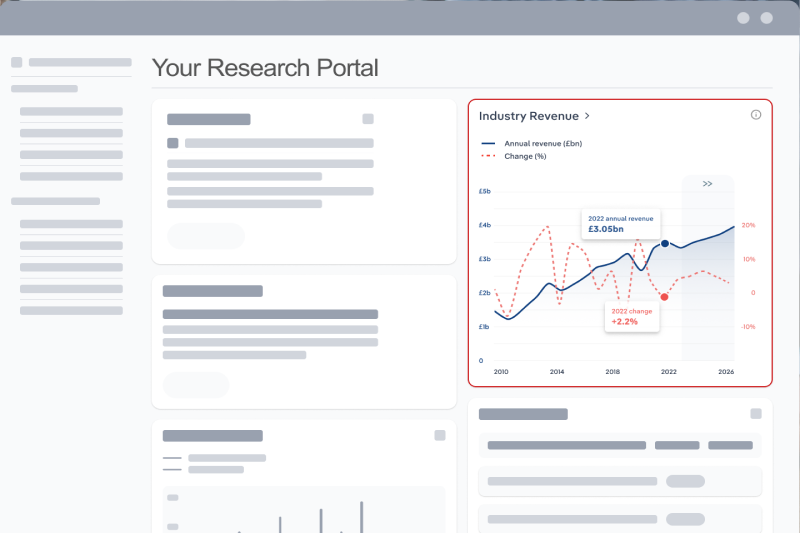
Streamline your workflow with IBISWorld’s intelligence built into your toolkit.
Explore industries with similar markets, supply chains, and economic drivers to gain broader context and insights.
| Industry | Country | Last 5-yr CAGR | Forecast 5-year CAGR | Revenue |
|---|---|---|---|---|
| IT Consulting in Canada |

|
XX% | XX% | $XX |
| Computer & Packaged Software Wholesaling in Canada |
|
XX% | XX% | $XX |
| Software Publishing in Canada |
|
XX% | XX% | $XX |
| Electronic & Computer Repair Services in Canada |
|
XX% | XX% | $XX |
| Computer Manufacturing in Canada |
|
XX% | XX% | $XX |
| Computer Peripheral Manufacturing in Canada |
|
XX% | XX% | $XX |
| Office Stationery Wholesaling in Canada |
|
XX% | XX% | $XX |
| Electronic Part & Equipment Wholesaling in Canada |
|
XX% | XX% | $XX |
| Semiconductor Machinery Manufacturing in Canada |
|
XX% | XX% | $XX |
When the stakes are high, you need intelligence that cuts through the noise—wherever you work.
The private investment in computers and software in Canada in 2026 was $55.18 billion.
The private investment in computers and software in Canada grew by 3.57% in 2026.
IBISWorld’s data and analysis on private investment in computers and software in Canada includes forecasted growth rates over the next five years.