
IBISWorld Platform
Answer any industry question in minutes with our entire database at your fingertips.

Health-care inflation is expected to add meaningful pressure to expenditure costs in 2026 as patients and payers increasingly rely on high-priced therapies and drugs. A key driver is the rapid uptake of GLP-1 medications, with strong demand across multiple patient groups pushing up plan costs and increasing the risk of premium increases for members in group insurance plans, according to Aon. At the same time, growing use of biologic therapies for serious conditions—such as chronic obstructive pulmonary disease, as highlighted by Alberta Blue Cross—is elevating treatment expenses tied to complex, specialty medicines. Although manufacturers and policymakers are working to expand access to more affordable alternatives, including biosimilars, these options will take time to scale and meaningfully reduce average costs. In the interim, rising dependence on expensive drugs and therapies will continue to push health spending higher, contributing to an estimated 3.5% increase in total health expenditures in the year.Over the past five years, Canada's healthcare spending has risen 1.6% CAGR through 2026, driven in part by population growth and the rising costs of medical technologies and services. The healthcare system has expanded to meet the needs of a growing population, resulting in greater overall expenditure. This increase reflects a commitment to providing healthcare services to all Canadians, even as demographic and economic conditions evolve. While the total investment in healthcare has grown, its relationship with the country's overall economic output has experienced fluctuations.Between 2020 and 2023, the proportion of Canada's GDP allocated to healthcare experienced a relative decline. Although total healthcare spending continued to rise, the pace of economic growth outstripped the increase in healthcare expenditure during this period. This resulted in a smaller share of the national economy being devoted to healthcare relative to the peak observed at the beginning of the period. Factors contributing to this shift may include changes in economic conditions and the distribution of resources across different sectors.From 2023 through 2026, the trend shifted again, with healthcare spending growing as a share of Canada's GDP. This resurgence indicates renewed emphasis on healthcare investment or a relative deceleration in economic growth compared to healthcare spending. The shift suggests an ongoing commitment to prioritize healthcare as a key component of the Canadian economy, with resources being directed towards healthcare at a rate that is outpacing overall economic expansion.
Curious about what drives these trends? IBISWorld's analyst coverage on the total health expenditure includes detailled analysis on the current performance, outlook and industries affected.
1980-2032
This driver represents total public and private health expenditure in Canada. Data is presented in 2017 dollar terms and is sourced from the Canadian Institute for Health Information.
IBISWorld Industry Reports are available in multiple formats to fit seamlessly into your workflow.
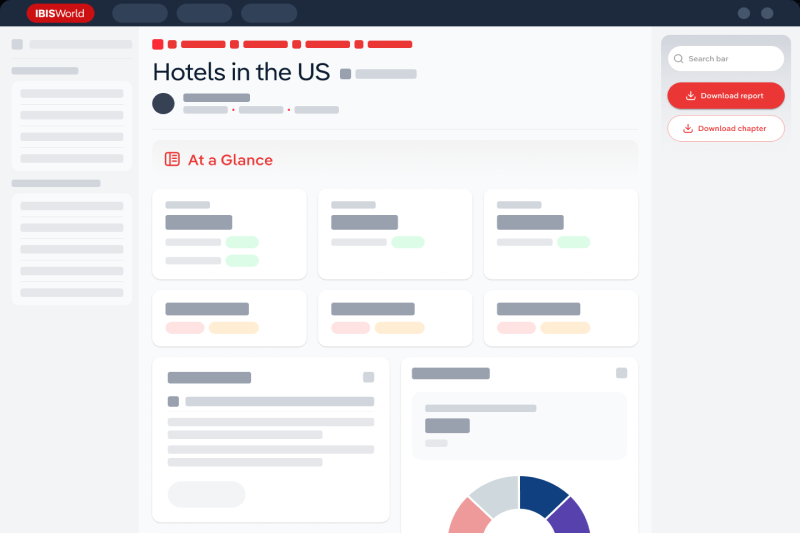
Answer any industry question in minutes with our entire database at your fingertips.
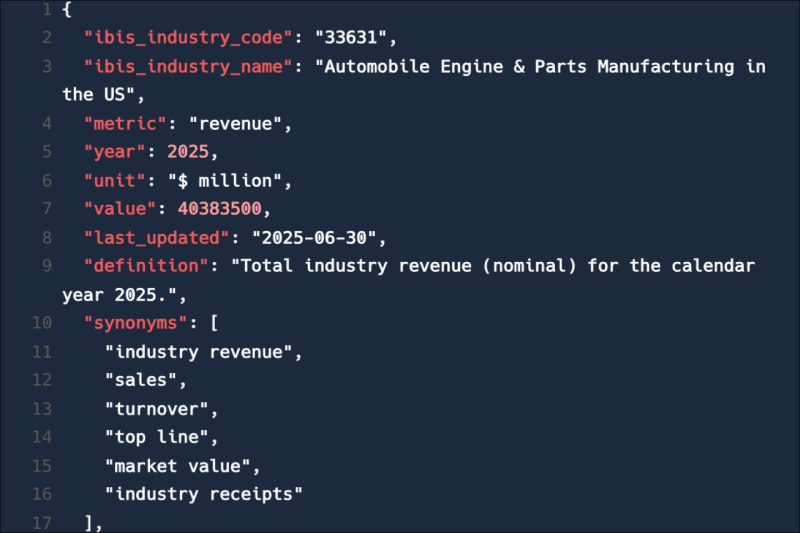
Feed trusted, human-driven industry intelligence straight into your platform.
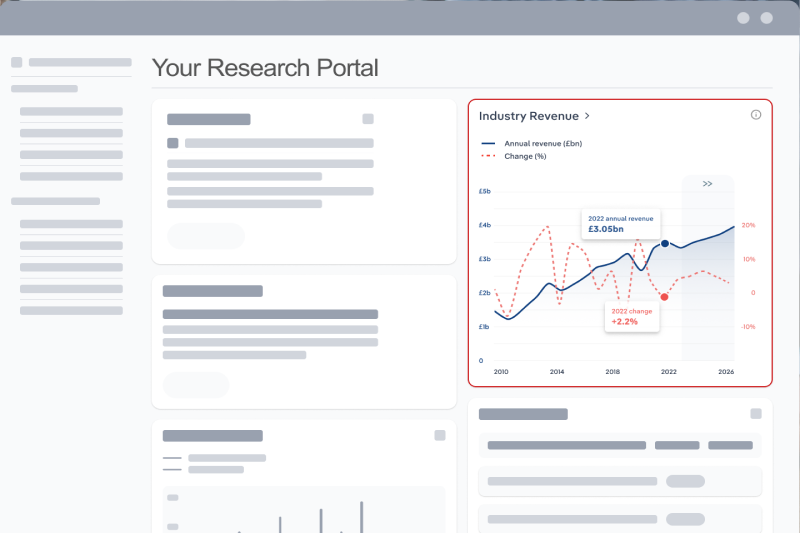
Streamline your workflow with IBISWorld’s intelligence built into your toolkit.
Explore industries with similar markets, supply chains, and economic drivers to gain broader context and insights.
When the stakes are high, you need intelligence that cuts through the noise—wherever you work.
The total health expenditure in Canada in 2026 was $286.5 billion.
The total health expenditure in Canada grew by 1.62% in 2026.
IBISWorld’s data and analysis on total health expenditure in Canada includes forecasted growth rates over the next five years.