
IBISWorld Platform
Answer any industry question in minutes with our entire database at your fingertips.

IBISWorld expects the domestic price of meat to grow by 2.3% in 2026-27, to reach 137.6 index points. As New Zealand exports most of its beef, global supply and demand movements primarily impact domestic beef prices.According to Stats NZ, as of the end of 2025-26 (latest data available), the total weight of export graded beef production reached 95.6% as a share of the local and foreign markets, demonstrating overseas markets' strong demand. The United States remained the largest export destination for New Zealand beef and veal through the year ending June 2025 (latest data available), according to the Ministry for Primary Industries (Manatu Ahu Matua) (MPI). The MPI projects a 2.3% rise in beef and veal exports through to the end of June 2027 (latest data available). With a 4.0% rise in average export prices forecast by the MPI, the domestic prices of beef are likely to improve through 2026-27.New Zealand's pork market operates as a dual-supply system in which domestically produced pork prices and imported pigmeat prices jointly determine the overall consumer price level for pork in the country. Although the domestic pig farming sector remains substantially smaller than the beef cattle and sheep farming industries, sustained growth in pork consumption has led to greater import penetration than for other meats. That's why movements in imported pigmeat prices can influence New Zealand's overall pork prices. Germany, Spain, the United States and Finland are New Zealand's key import markets for pork through 2025-26 (latest data available). Prices of domestically produced pork have risen due to elevated input costs and potential changes in pig farming practices. Despite these pressures, pork overtook beef to become the largest meat category in New Zealand households for the first time and has maintained that lead through 2026-27, accounting for approximately 60.0% of combined beef, pork and lamb consumption, according to OECD data. Pork's strong market position stems primarily from its affordability. Over the past five years, domestic pork prices have remained below those of beef and lamb. The ready availability of lower-priced imported pigmeat reinforces this affordability effect, driving downstream demand. That said, industry body New Zealand Pork notes that domestic pork and imported pigmeat serve different markets due to different cuts and uses.Sheep meat prices have elevated over the past few years. The domestic price of sheep meat surged in 2021-22 as the average export price per kilogram of both lamb and mutton hiked, the former by 26.7%. While demand from China has faltered compared to previous years, the US, UK, EU and Canada have shown strong demand for red meat, supporting the export price of sheep meat and pushing up the domestic price. Overall, the domestic price of meat is expected to strengthen in 2026-27 at a compound annual rate of 5.0% over the five years through 2026-27.
Curious about what drives these trends? IBISWorld's analyst coverage on the domestic price of meat includes detailled analysis on the current performance, outlook and industries affected.
1990-2034
This report analyses the price of meat in New Zealand and measures consumer prices for beef and veal, pig meat and mutton, lamb and hogget. Poultry meat is not included in this report. Data for this report is sourced from Statistics New Zealand (Tatauranga Aotearoa) and is presented in financial years, with with 2016-17 as the base year.
IBISWorld Industry Reports are available in multiple formats to fit seamlessly into your workflow.
Answer any industry question in minutes with our entire database at your fingertips.
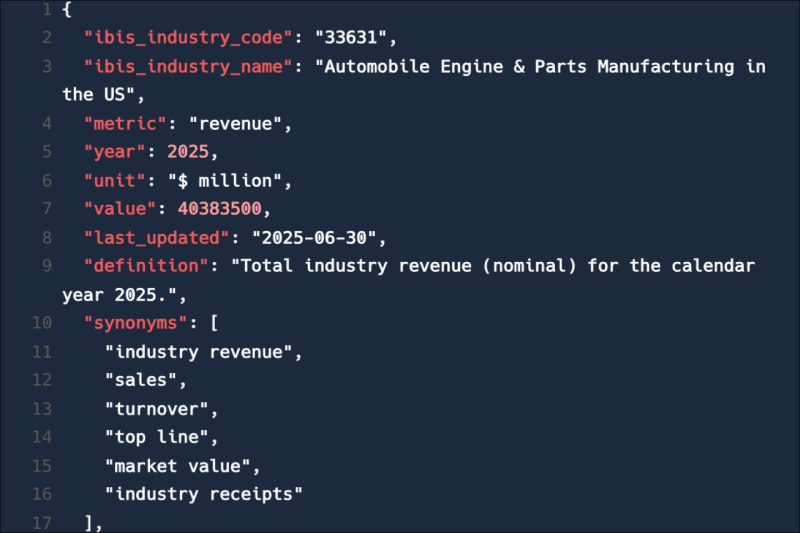
Feed trusted, human-driven industry intelligence straight into your platform.
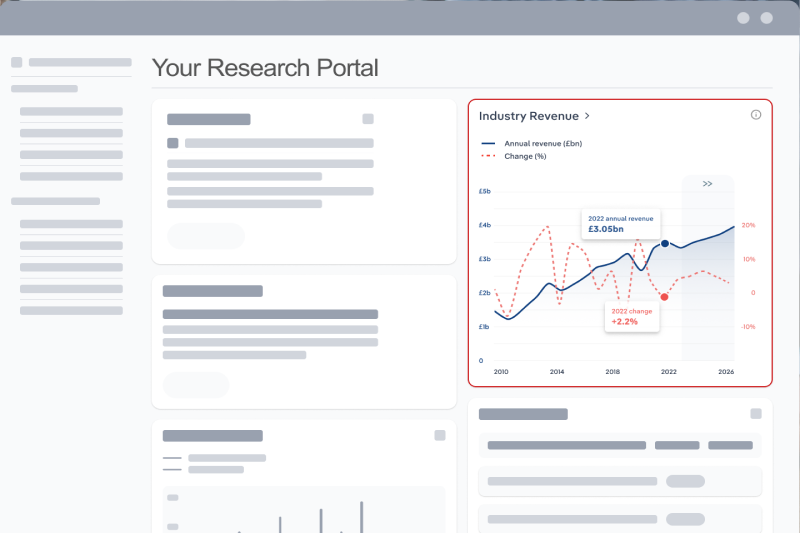
Streamline your workflow with IBISWorld’s intelligence built into your toolkit.
Explore industries with similar markets, supply chains, and economic drivers to gain broader context and insights.
| Industry | Country | Last 5-yr CAGR | Forecast 5-year CAGR | Revenue |
|---|---|---|---|---|
| Meat Processing in New Zealand |

|
XX% | XX% | $XX |
| Meat, Poultry and Smallgoods Wholesaling in New Zealand |
|
XX% | XX% | $XX |
| Cured Meat and Smallgoods Manufacturing in New Zealand |
|
XX% | XX% | $XX |
| Specialised Grocery Retailing in New Zealand |
|
XX% | XX% | $XX |
| Agribusiness in New Zealand |
|
XX% | XX% | $XX |
| General Line Grocery Wholesaling in New Zealand |
|
XX% | XX% | $XX |
When the stakes are high, you need intelligence that cuts through the noise—wherever you work.
The domestic price of meat in New Zealand in 2027 was 137.6 index points.
The domestic price of meat in New Zealand grew by 4.96% in 2027.
IBISWorld’s data and analysis on domestic price of meat in New Zealand includes forecasted growth rates over the next five years.