
IBISWorld Platform
Answer any industry question in minutes with our entire database at your fingertips.

IBISWorld expects sheep meat production to fall by 1.5% in 2026-27, to 411.3 kilotonnes. According to forecasts from the Ministry of Primary Industries, exports of lamb and mutton are slated to fall by 2.1% in 2026-27, due to supply constraints from a declining sheep stock and increased numbers of farmers converting to alternative meat farming, such as beef. Despite the expected decline in export volumes, export revenue is expected to climb on the back of strong price growth, driven by foreign demand from Europe, the United Kingdom and the UAE, supported by free trade agreements that have came into force between 2023 and 2025. In particular, lamb prices are forecast to reach an all-time high of $14.50/kg, while mutton prices are predicted to approach $8/kg, a mark that has only been achieved once in 2021-22. Anticipated strong price growth could induce higher-than-expected sheep meat production, as farmers look to capitalise on heightened revenue. However, should supply conditions improve, prices would likely soften from currently forecasted level, creating a negative feedback loop.Over the past decade, sheep meat production has been trending downwards in New Zealand. The total sheep flock in the country has been gradually declining, reduced from over 30.0 million in 2011-12 to under 23.4 million by the end of June 2025. This trend is largely a result of many farmers exiting the industry or deviating operations to alternative, more profitable livestock, such as cattle. The decline in the sheep population has led to reduced output from the sector, as indicated by declines in sheep meat production over the long run.Annual fluctuations in sheep meat production are heavily linked to wool prices and production. Over the past five years, sheep meat and wool prices have been volatile, leading to fluctuations in sheep meat production. Demand for sheep meat has been increasingly driven by Asian markets over the past two decades, supporting sheep meat prices in the long run. However, output prices dropped significantly over the two years through 2023-24, forcing farmers to increase slaughtering rates over this time period. Since then, wool prices and sheep meat prices have both been growing, allowing sheep farmers to maintain revenue and profit margins while limiting slaughtering rates, causing sheep meat production to trend downwards. Drought conditions impacted the breeding rate among ewes in 2023-24, placing further downwards pressure on lamb production in 2024-25. Declining lamb production has also been driven by the lagged impact of favourable conditions in spring 2023 that saw lambing percentages and sheep meat production expand in 2022-23, reducing the ewe population in 2024-25. Domestic sheep meat consumption has also fallen, limiting demand for non-exporting farmers. Rising health consciousness has led to consumers increasingly moving away from traditional red meats and more towards leaner sources of protein like chicken, limiting downstream demand for sheep farmers. Overall, IBISWorld expects sheep meat production to remain stable over the five years through 2026-27.
Curious about what drives these trends? IBISWorld's analyst coverage on the sheep meat production includes detailled analysis on the current performance, outlook and industries affected.
1983-2034
This report analyses the volume of sheep meat produced in New Zealand. Sheep meat production represents the total slaughter weight of lamb, hoggets and rams, and includes meat graded for both local and export markets. The data for this report is sourced from the Ministry for Primary Industries (Manatu Ahu Matua) via Statistics New Zealand (Tatauranga Aotearoa) and is measured in kilotonnes per year end March.
IBISWorld Industry Reports are available in multiple formats to fit seamlessly into your workflow.

Answer any industry question in minutes with our entire database at your fingertips.
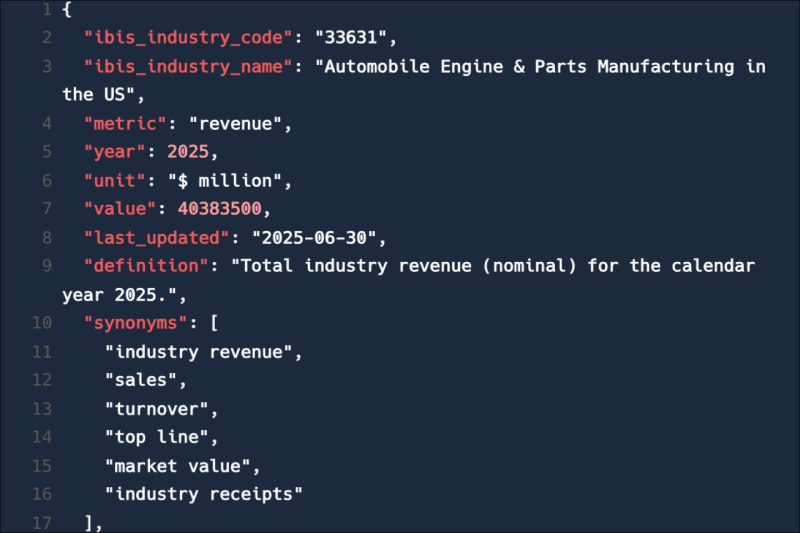
Feed trusted, human-driven industry intelligence straight into your platform.
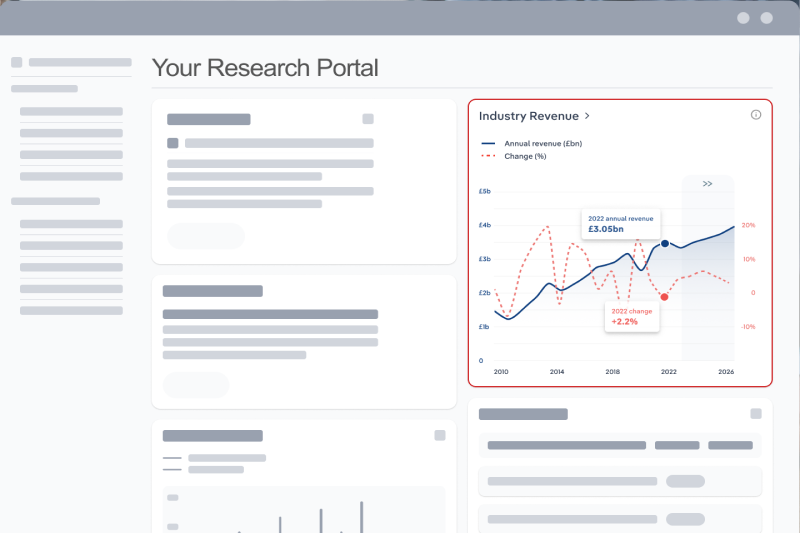
Streamline your workflow with IBISWorld’s intelligence built into your toolkit.
Explore industries with similar markets, supply chains, and economic drivers to gain broader context and insights.
| Industry | Country | Last 5-yr CAGR | Forecast 5-year CAGR | Revenue |
|---|---|---|---|---|
| Sheep Farming in New Zealand |

|
XX% | XX% | $XX |
| Livestock & Other Agricultural Supply Wholesaling in New Zealand |
|
XX% | XX% | $XX |
| Sheep-Beef Cattle Farming in New Zealand |
|
XX% | XX% | $XX |
| Meat Processing in New Zealand |
|
XX% | XX% | $XX |
When the stakes are high, you need intelligence that cuts through the noise—wherever you work.
The sheep meat production in New Zealand in 2027 was 411.3 kilotonne.
The sheep meat production in New Zealand grew by 0.02% in 2027.
IBISWorld’s data and analysis on sheep meat production in New Zealand includes forecasted growth rates over the next five years.