
IBISWorld Platform
Answer any industry question in minutes with our entire database at your fingertips.

The timber price index has declined at a compound annual rate of -4.5% over the five years through 2026-27, with the index now standing at 78.3. This contraction follows the exceptional price surge of 2021-22, when the index inflated by 33% as post-pandemic pent-up demand collided with acute supply chain disruption and post-Brexit trade friction.As supply chains normalised from 2022-23 onwards, the structural drivers of price inflation unwound. Global timber supply recovered from earlier disruptions, easing the scarcity premium that had characterised the market. Simultaneously, demand-side pressures softened considerably: a prolonged period of elevated interest rates weighed heavily on UK residential construction, reducing new housing starts and dampening structural timber demand.The Russia-Ukraine conflict, which had initially threatened further supply disruption given Russia and Belarus's significant share of European softwood supply, proved less damaging than feared as UK importers diversified sourcing toward Scandinavia and North America. Subdued economic activity across construction and manufacturing further curtailed broader timber demand, sustaining downward pressure on prices throughout the period.
Curious about what drives these trends? IBISWorld's analyst coverage on the timber price index includes detailled analysis on the current performance, outlook and industries affected.
2012-2033
This report analyses the timber prices in Great Britain, using the Softwood Sawlog Price Index (SSPI) - tracked by non-ministerial government department, the Forestry Commission - as a proxy. As stated by the Forestry Commission, which is an agency of the Department for Environment, Food and Rural Affairs (Defra), the SSPI is based on administrative data for sales of softwood sawlogs (i.e., roundwood with a top diameter of 14 cm or more) collated by Forestry England, Forestry and Land Scotland and Natural Resources Wales. The SSPI is calculated from data covering separate six-month periods to 30 September and 31 March, whereby data presented in this report represents the average of two separate six-month readings over a given financial year (i.e., April-March). The SSPI used for this report considers prices in real teams and has a base period in 2021 (i.e., six-month period to 30 September 2021 = 100.0 points).In general, timber prices are affected by demand and supply conditions, in addition to fluctuations in the trade-weighted value of the pound. Timber is predominantly sought in the construction sector (e.g., as a structural material in dwellings); in large quantities for fencing and similar outdoor purposes (e.g., terrace decking and outdoor furniture); for indoor furnishings (e.g., cabinets); and for manufacturing pallets and packaging (e.g., wooden crates). Supply-side issues can be equally as disruptive and can cause a relatively high level of price volatility year-on-year. Production capacity, whereby the value chain extends from the process of felling - this is the commercial term for cutting down individual trees - storing and transporting raw materials, debarking logs, seasoning natural wood, and preparing timber for market use; the availability of timber resources and forest land; the quality of timber stock; and weather pattern can all influence the world supply of timber. Meanwhile, a significant proportion of timber and other wood products used in the domestic market are sourced from overseas suppliers, meaning competition from foreign timber supply markets can influence the UK market supply and price of timber.
IBISWorld Industry Reports are available in multiple formats to fit seamlessly into your workflow.
Answer any industry question in minutes with our entire database at your fingertips.
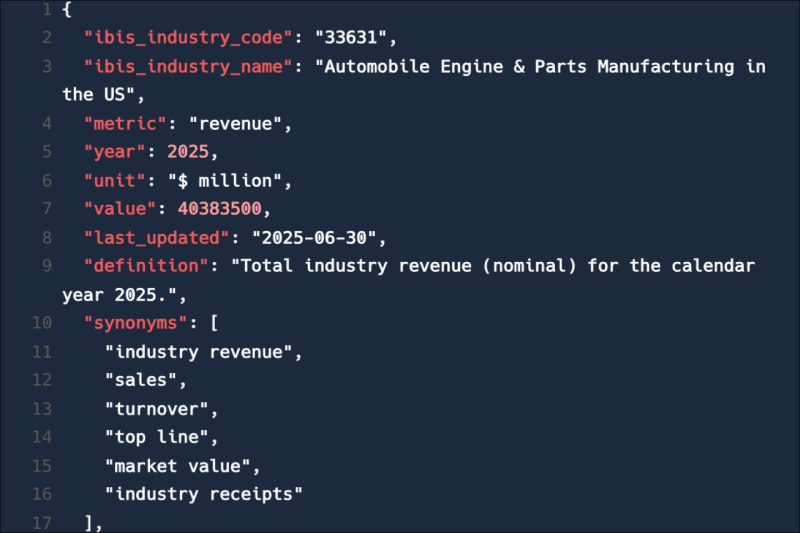
Feed trusted, human-driven industry intelligence straight into your platform.
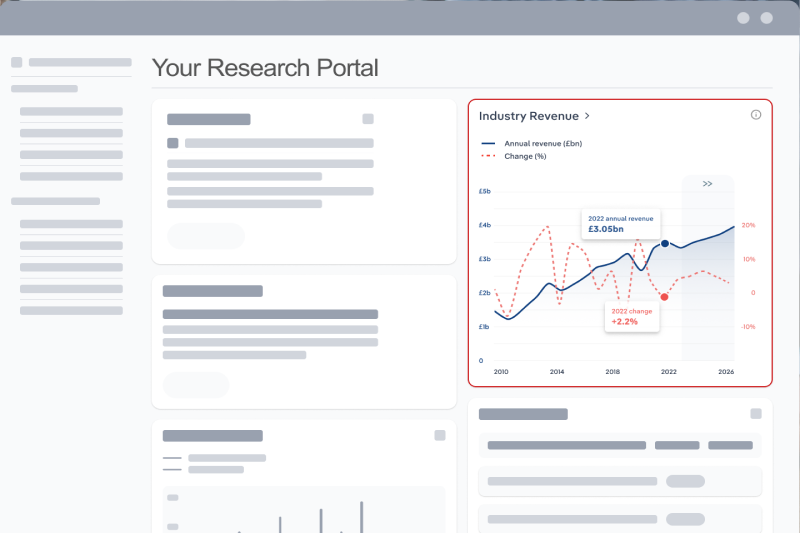
Streamline your workflow with IBISWorld’s intelligence built into your toolkit.
Explore industries with similar markets, supply chains, and economic drivers to gain broader context and insights.
| Industry | Country | Last 5-yr CAGR | Forecast 5-year CAGR | Revenue |
|---|---|---|---|---|
| Forestry & Logging in the UK |

|
XX% | XX% | $XX |
| Parquet Floor Manufacturing in the UK |
|
XX% | XX% | $XX |
| Sawmilling & Wood Planing in the UK |
|
XX% | XX% | $XX |
| Wooden Container Manufacturing in the UK |
|
XX% | XX% | $XX |
| Veneer Sheet & Wood-Based Panel Manufacturing in the UK |
|
XX% | XX% | $XX |
| Office & Shop Furniture Manufacturing in the UK |
|
XX% | XX% | $XX |
When the stakes are high, you need intelligence that cuts through the noise—wherever you work.
The timber price index in the UK in 2027 was 78.3 index points.
The timber price index in the UK declined by -4.47% in 2027.
IBISWorld’s data and analysis on timber price index in the UK includes forecasted growth rates over the next five years.