
IBISWorld Platform
Answer any industry question in minutes with our entire database at your fingertips.

Mortgage rates are projected to decline in 2026 to about 6.4% as the economy continues to adjust to a changing financial environment, although they could come under upward pressure at times if turmoil in Iran escalates and triggers a flight to safety or higher risk premia in bond markets, pushing yields higher intermittently and temporarily limiting or reversing mortgage-rate declines. As a result, rate and yield movements in 2026 are likely to be uneven and more modest than previously expected, and spreads between mortgage rates and Treasury yields may narrow less than anticipated or even widen at points during the year. At the same time, Fannie Mae has been buying a larger volume of mortgage bonds, which removes supply from the market and puts downward pressure on yields, helping prevent mortgage rates from rising too sharply and supporting gradual, if moderate, rate declines over the year.The mortgage rate environment between 2021 and 2026 was characterized by significant volatility driven by both pandemic-related disruptions and monetary policy responses. Rates remained historically low in 2021, averaging 2.96%, though variants such as Delta and Omicron led to ongoing uncertainty and a brief pause in their upward momentum. A combination of consumer and commercial spending rebound, rising wages, and supply chain constraints resulted in heightened inflation, compelling the Federal Reserve to implement a series of aggressive rate hikes throughout 2022. This rapid tightening cycle drove the mortgage rate sharply higher, jumping from 2.96% in 2021 to 5.33% in 2022 and then reaching 6.8% by 2025. Inflation expectations influenced the trajectory of rates over this period, with the Federal Reserve slowing the pace of interest rate increases in 2023 as inflationary pressures moderated. The Fed reduced rates by 2024, but mortgage rates continued to rise due to enduring fiscal concerns and a lack of robust investor demand for government securities, which kept yields and mortgage spreads elevated.Additional macroeconomic trends affecting the period included volatile capital flows into fixed income markets and persistent concerns about the sustainability of U.S. fiscal policy, both of which contributed to the upward movement in mortgage rates. The interrelationship between monetary policy and government borrowing needs meant that even dovish central bank actions in late 2024 could not fully offset the impact of larger Treasury issuance and shifting investor sentiment. Mortgage rates broadly tracked broader trends in fixed income markets throughout the 2021-2025 period, responding not only to Federal Reserve actions but also to exogenous shocks such as the pandemic and evolving fiscal policy environments.The pivot from an exceptionally accommodative monetary stance following the COVID-19 pandemic to a more restrictive environment defined the 2021 to 2026 period, in response to inflationary pressures and increased government borrowing. As a result, 30-year mortgage rates increased over the period, with the interplay of inflation, government debt, monetary policy, and investor preferences all contributing to rate movements. This resulted in it rising at CAGR 16.8% over the timeframe 2021 to 2026.
Curious about what drives these trends? IBISWorld's analyst coverage on the 30-year conventional mortgage rate includes detailled analysis on the current performance, outlook and industries affected.
1980-2032
The 30-year fixed rate mortgage is the most-common type of loan for home purchases in the United States. The data for this report is sourced from Freddie Mac's Primary Mortgage Market Survey. The values presented in this report are annual figures, derived from equally weighted monthly averages.
IBISWorld Industry Reports are available in multiple formats to fit seamlessly into your workflow.

Answer any industry question in minutes with our entire database at your fingertips.
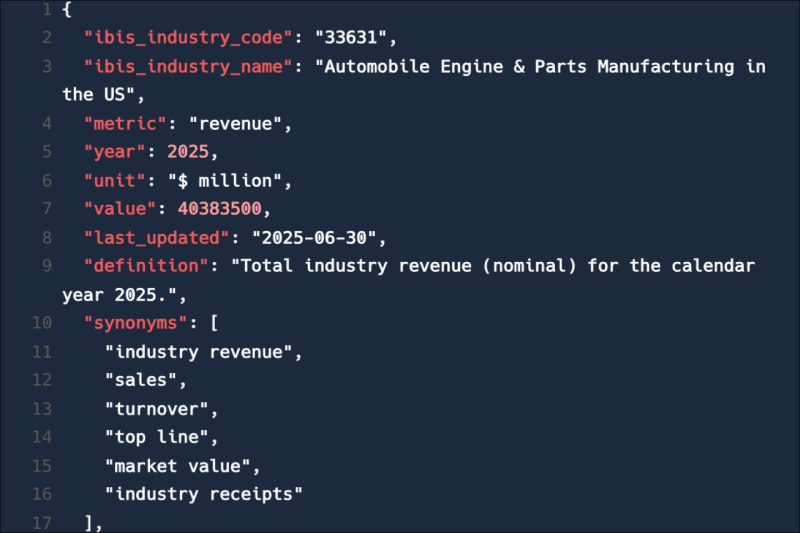
Feed trusted, human-driven industry intelligence straight into your platform.
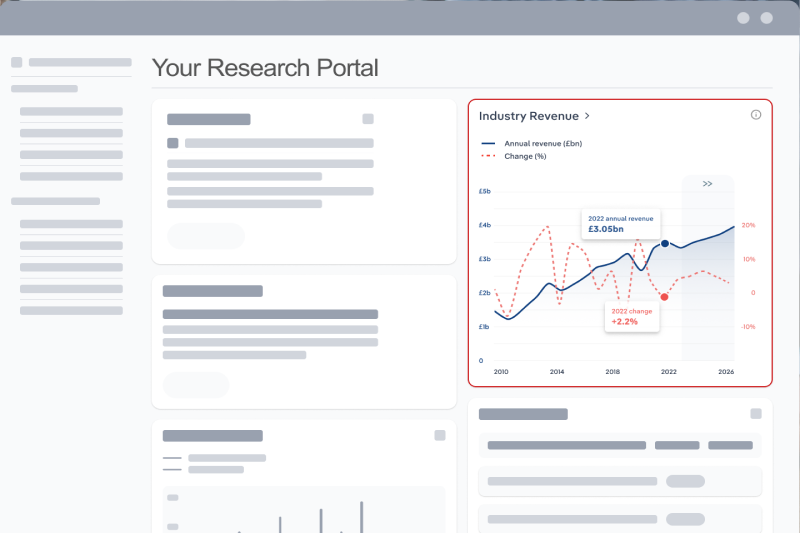
Streamline your workflow with IBISWorld’s intelligence built into your toolkit.
Explore industries with similar markets, supply chains, and economic drivers to gain broader context and insights.
When the stakes are high, you need intelligence that cuts through the noise—wherever you work.
The 30-year conventional mortgage rate in the US in 2026 was 6.45%.
The 30-year conventional mortgage rate in the US grew by 16.87% in 2026.
IBISWorld’s data and analysis on 30-year conventional mortgage rate in the US includes forecasted growth rates over the next five years.