
IBISWorld Platform
Answer any industry question in minutes with our entire database at your fingertips.

The agricultural price index is expected to rise 2.0% in 2026, driven primarily by tight cattle supplies and strong red meat demand. Limited cattle herd growth will keep beef prices elevated, complicating any near-term easing in production and retail costs. At the same time, soybeans are projected to experience stronger pricing through 2026 as demand from energy markets—particularly for biofuels—remains robust. Farmers are expected to increase soybean plantings to offset rising fertilizer costs, but overall crop acreage may decline, limiting supply growth and supporting higher prices. These pressures are partially offset by ample grain supplies, especially corn harvested in the previous season, which are helping temper broader feed and commodity cost inflation. According to the Food and Agriculture Policy Research Institute, this buffer from grain inventories is a key reason the anticipated increase in the agricultural price index is more moderate than in the prior year, even as multiple cost drivers remain in play.Between 2021 and 2026, the agricultural price index has shown considerable volatility due to various external shocks and macroeconomic trends. The index surged 15.9% in 2021, supported by renewed economic growth, increased consumer spending, and demand from service establishments as pandemic restrictions eased. Disruptions in global food and energy supply chains further amplified upward pressures. Agricultural prices rose sharply again in 2022, increasing by 21.2% due to supply chain disruptions, high energy prices, and strong demand for key commodities. However, 2023 saw a 12.8% decline as U.S. crop production improved and demand from China softened, especially for soybeans. This correction reflected increased supply and some easing of global market pressures. Prices rebounded in 2024, rising 2.7%, fueled by elevated meat and egg costs from disease outbreaks and higher feed and input costs. The 2025 forecast indicates slight growth, suggesting potential price stabilization but with vulnerabilities from persistent high input costs and shifting global trade conditions.The agricultural price index has been strongly influenced by broader macro trends, including changes in energy markets, shifts in global demand, and trade policy developments. Oil prices significantly impact agricultural commodity prices, as transportation and input costs feed into producers' cost structures. Fluctuations in the U.S. dollar's strength and evolving tariff policies also shape export dynamics and domestic pricing. The interplay between livestock and crop markets, such as the impact of feed prices on beef and egg costs, results in pronounced index swings during simultaneous external shocks.From 2021 to 2026, the agricultural price index increased by CAGR of 8.3%, with periods of rapid price inflation and subsequent corrections. This period has been marked by supply chain disruptions, volatile global demand patterns, energy market movements, and emerging trade barriers, keeping the index above pre-pandemic levels but subject to significant year-to-year fluctuations as the global agricultural and economic environments remain dynamic
Curious about what drives these trends? IBISWorld's analyst coverage on the agricultural price index includes detailled analysis on the current performance, outlook and industries affected.
1990-2032
The agricultural price index represents prices received by farmers for all US agricultural products (both livestock and crops) with base year 2011. Data and forecast are sourced from the US Department of Agriculture (USDA). The value-weighted for either livestock or crops is based on the value of total production.
IBISWorld Industry Reports are available in multiple formats to fit seamlessly into your workflow.

Answer any industry question in minutes with our entire database at your fingertips.
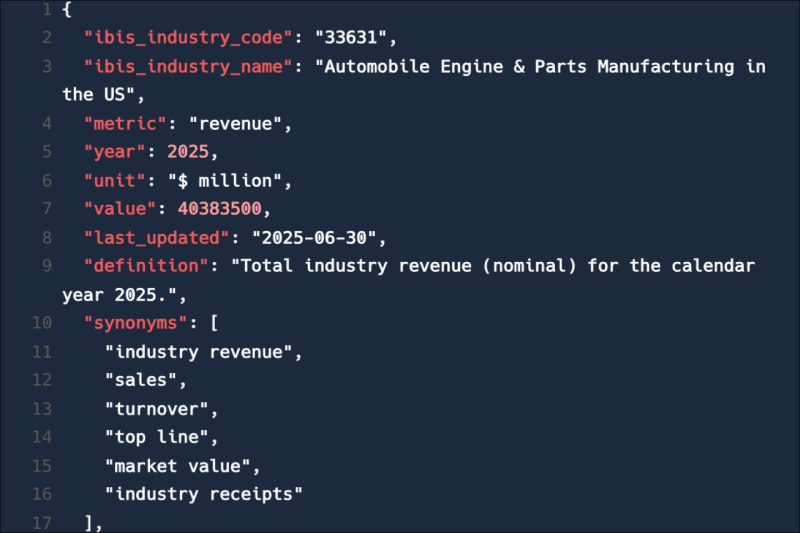
Feed trusted, human-driven industry intelligence straight into your platform.
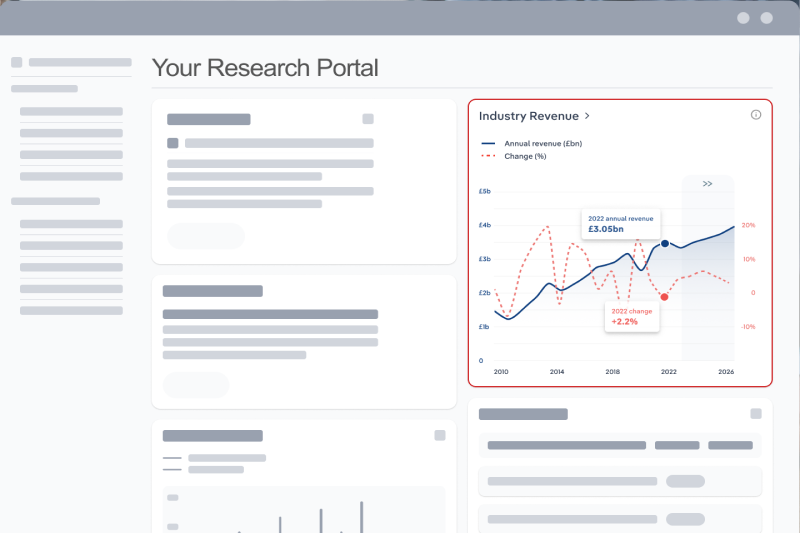
Streamline your workflow with IBISWorld’s intelligence built into your toolkit.
Explore industries with similar markets, supply chains, and economic drivers to gain broader context and insights.
When the stakes are high, you need intelligence that cuts through the noise—wherever you work.
The agricultural price index in the US in 2026 was 166.35 index points.
The agricultural price index in the US grew by 8.25% in 2026.
IBISWorld’s data and analysis on agricultural price index in the US includes forecasted growth rates over the next five years.