
IBISWorld Platform
Answer any industry question in minutes with our entire database at your fingertips.

The number of births in the United States is projected to reach 3.62 million in 2026, representing only a marginal 0.5% increase over the previous year. The country will remain below the replacement level, meaning births are still insufficient to offset deaths and sustain long-term population growth, even with this slight uptick. Economic headwinds, including persistent inflation, elevated consumer prices and ongoing challenges in housing affordability, continue to constrain how much birth rates can rise, even though some financially secure households may feel more confident about starting or expanding their families in the near term. These pressures have contributed to a declining fertility rate among women, which will continue to limit the number of births occurring in 2026 and restrict the potential for stronger growth. As births stay below replacement levels, demographic stress will build over time, especially as evolving social norms around delaying marriage, postponing parenthood and having smaller families further dampen the possibility of a robust rebound in birth numbers during the year.During the 2021 to 2026 period, the number of births in the US demonstrated volatility associated largely with external shocks. In 2021, there was a brief 1.4% surge in births as society emerged from the COVID-19 pandemic, with many households resuming delayed life plans. A moderate 0.1% rise followed in 2022. However, inflation intensified beginning in 2021 and continued to escalate over the period, weighing heavily on prospective parents' financial decision-making. In 2023, the number of births dropped by 2.0% to 3.60 million, reflecting the impact of higher consumer prices and concerns over economic stability, which led many households to postpone or avoid childbearing.Macro trends within the period from 2021 to 2026 further underpinned the sluggish growth in the number of births. Youth birth rates particularly declined, and the birth rate among foreign-born women, a group previously more likely to have larger families, also fell. Cultural shifts regarding family size preferences, coupled with individuals' changing life priorities, reinforced the delay or avoidance of childbirth during these years. The period was also marked by more people living single or marrying at later ages, contributing to a persistently low growth rate in births.In summary, the 2021-2026 period was characterized by ongoing demographic changes, persistent macroeconomic uncertainty, and evolving social patterns. Together, these factors kept the number of annual births largely stagnant, with economic headwinds serving as a primary impediment to any significant or sustained growth during the period.
Curious about what drives these trends? IBISWorld's analyst coverage on the number of births includes detailled analysis on the current performance, outlook and industries affected.
1980-2032
This driver represents the number of registered annual births in the United States. Historical data is sourced from the National Center for Health Statistics and the number of births is forecasted with projections from the US Census Bureau.
IBISWorld Industry Reports are available in multiple formats to fit seamlessly into your workflow.

Answer any industry question in minutes with our entire database at your fingertips.
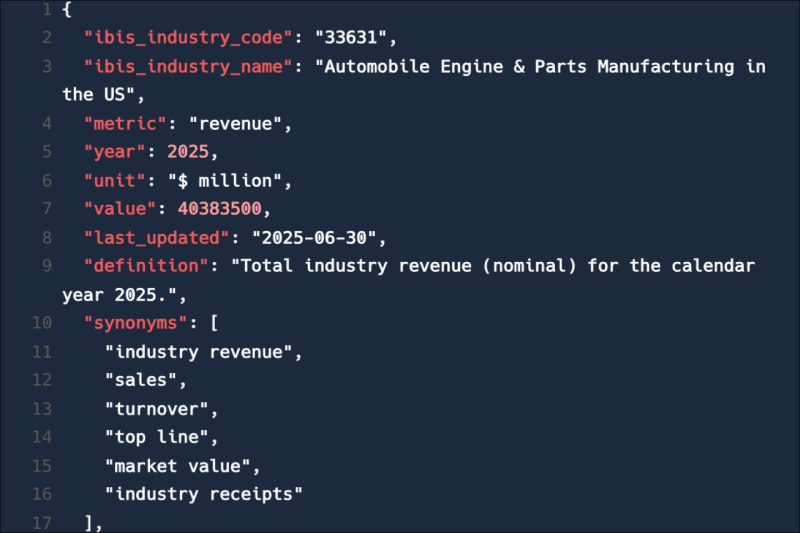
Feed trusted, human-driven industry intelligence straight into your platform.
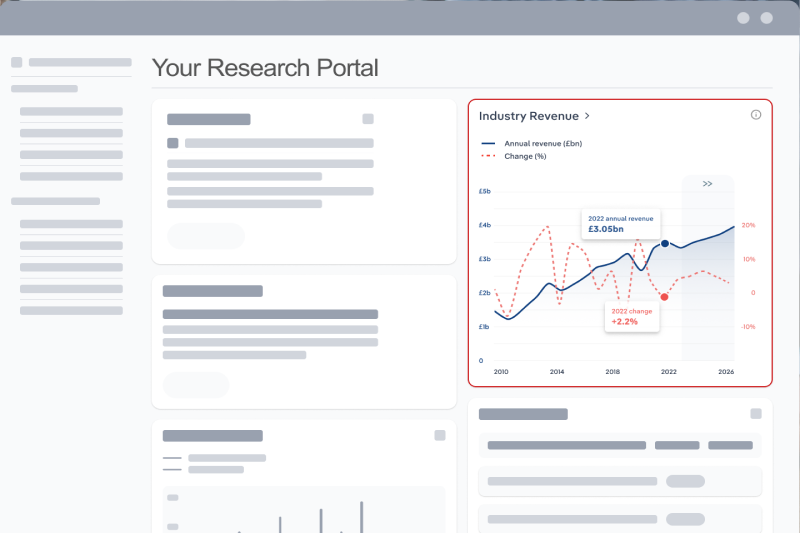
Streamline your workflow with IBISWorld’s intelligence built into your toolkit.
Explore industries with similar markets, supply chains, and economic drivers to gain broader context and insights.
| Industry | Country | Last 5-yr CAGR | Forecast 5-year CAGR | Revenue |
|---|---|---|---|---|
| Maternity Wear Stores in the US |

|
XX% | XX% | $XX |
| Durable Baby Goods Stores in the US |
|
XX% | XX% | $XX |
| Infant Formula Manufacturing in the US |
|
XX% | XX% | $XX |
| Sanitary Paper Product Manufacturing in the US |
|
XX% | XX% | $XX |
| Baby Food Manufacturing in the US |
|
XX% | XX% | $XX |
| Day Care in the US |
|
XX% | XX% | $XX |
| Forensic DNA Laboratories in the US |
|
XX% | XX% | $XX |
| Maids, Nannies & Gardeners in the US |
|
XX% | XX% | $XX |
| Nursery Schools in the US |
|
XX% | XX% | $XX |
| Online Baby & Infant Apparel Sales in the US |
|
XX% | XX% | $XX |
| Children's Specialty Hospitals in the US |
|
XX% | XX% | $XX |
| Diaper Manufacturing in the US |
|
XX% | XX% | $XX |
| Gynecologists & Obstetricians in the US |
|
XX% | XX% | $XX |
| Midwives & Doulas in the US |
|
XX% | XX% | $XX |
| Online Baby Product Sales in the US |
|
XX% | XX% | $XX |
When the stakes are high, you need intelligence that cuts through the noise—wherever you work.
The number of births in the US in 2026 was 3.62 million people.
The number of births in the US declined by -0.22% in 2026.
IBISWorld’s data and analysis on number of births in the US includes forecasted growth rates over the next five years.