
IBISWorld Platform
Answer any industry question in minutes with our entire database at your fingertips.

The price of feed is estimated at 238.5 index points in 2026, representing a 3.4% jump from the previous year. The main factor behind this increase is the hikes in global soybean prices, which is a main input for feed. In recent years, feed inventory has accumulated, exerting downward pressure on prices. Tight or disrupted supplies of fertilizers linked to Middle East conflict and energy volatility, alongside higher transportation and labor costs, are raising production costs for corn and soy, so soymeal and other feed ingredients are trading at multi-year highs and pulling overall feed prices up. Feed prices exhibited significant volatility from 2021 to 2026. In 2021, as downstream agricultural sectors reopened following pandemic-related restrictions, demand for feed rebounded sharply. Prices climbed by 15.7%. Rising input costs, particularly for soybeans and corn, coupled with inflationary pressures, led to a further 13.9% price increase in 2022. Supply chain disruptions contributed to these higher costs as producers faced elevated energy and grain prices. In 2023, despite ongoing inflation, feed prices contracted by 0.8% as global production recovered and soybean prices declined. This downward trend accelerated in 2024, with prices falling by 7.7% due to reduced feed consumption from a smaller cattle herd, leaving more feed available and pushing inventories higher. Other external events, such as fluctuating oil prices and drought conditions, drove additional volatility within the period; higher oil prices increase the cost of feed through greater demand for corn and soybeans as biofuel inputs, while droughts disrupt crop yields and input supply, adding to the price instability observed in these years. Trends such as global shifts in protein consumption and policy interventions in international trade also influenced feed prices during the period. Rising living standards in countries such as China, India and Brazil placed upward pressure on global feed demand in earlier years. However, domestic factors and localized demand-supply dynamics played a more significant role. The exemption of North American feed imports from US tariffs under the USMCA helped mitigate what would otherwise have been larger price spikes during periods of domestic shortages.The 2021-2026 period is characterized by strong price growth during the immediate post-pandemic recovery, followed by a reversal as supply normalized and herd sizes contracted. Feed prices increased at a CAGR of 1.3% over the past five years, but sharp annual swings were driven largely by pandemic recovery, inflation, shifts in herd populations, and the ongoing impacts of international and domestic trade policy.
Curious about what drives these trends? IBISWorld's analyst coverage on the producer price index: feed includes detailled analysis on the current performance, outlook and industries affected.
1980-2032
The price of feed is represented by the prices received by feed producers for all types of animals, including livestock, poultry and pets. Data is presented as an index with a base year of 1982. Annual figures are the equally-weighted averages of monthly means, and data is sourced from the Bureau of Labor Statistics.
IBISWorld Industry Reports are available in multiple formats to fit seamlessly into your workflow.

Answer any industry question in minutes with our entire database at your fingertips.
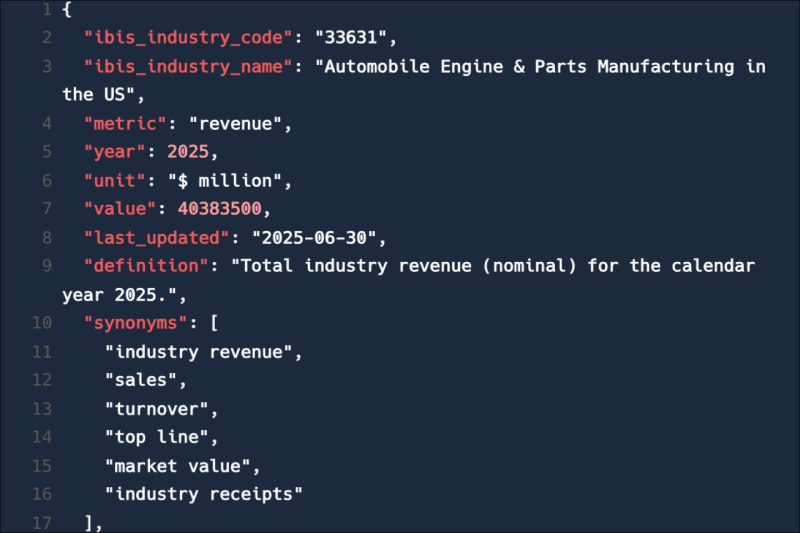
Feed trusted, human-driven industry intelligence straight into your platform.
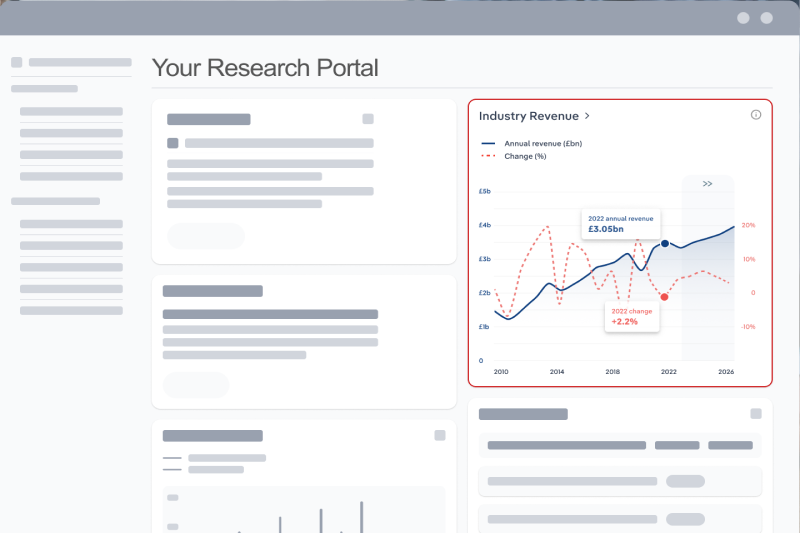
Streamline your workflow with IBISWorld’s intelligence built into your toolkit.
Explore industries with similar markets, supply chains, and economic drivers to gain broader context and insights.
When the stakes are high, you need intelligence that cuts through the noise—wherever you work.
The producer price index for feed in the US in 2026 was 238.51 index points.
The producer price index for feed in the US grew by 1.35% in 2026.
IBISWorld’s data and analysis on producer price index for feed in the US includes forecasted growth rates over the next five years.