
IBISWorld Platform
Answer any industry question in minutes with our entire database at your fingertips.

The red meat price index rose to 327.4 in 2026, representing a 3.9% increase from 2025. Red meat prices have continued to climb over the past year as processors face historically low cattle supplies. According to the USDA, US cattle herds hit their lowest levels in 75 years in 2025, as land continues to be lost. Tariffs have also exacerbated the rise in red meat prices, as buying remains focused on costlier domestic supply rather than less expensive foreign goods. The red meat price index rose significantly from 2021 to 2026. Demand-side constraints are making that happen. Many American farmers are facing record low cattle supply. According to the USDA, US cattle herds have hit their lowest levels in 75 years. This comes from land losses because of drought and high land values, which have limited pasture availability. Meanwhile, rising oil prices (KED G147) have also flowed through to livestock. Demand for corn-based ethanol and soybean-based diesel has risen with oil prices, thereby raising the price of all corn and soybean products. Corn, soybeans and wheat are the basic ingredients in animal feed (KED G107) used in the United States, so increased demand for these base goods has caused feed prices to surge. When feed becomes more expensive, livestock inventories become relatively costly for farmers to carry, forcing them to cull at a faster pace. Low inventories indicate a tight meat supply, which also drives prices up.At the same time, consumers have maintained a healthy appetite for red meat products, even amid rising prices. This comes as beef quality has improved, willing consumers to pay more for high-grade meat. Also, the increased use of GLP-1 medications has played a role, as consumers focus on increasing their protein intake. Low supply and high demand have continued to drive red meat prices higher.
Curious about what drives these trends? IBISWorld's analyst coverage on the producer price index: red meat includes detailled analysis on the current performance, outlook and industries affected.
1980-2032
The price of red meat represents the price processors receive for all meat, including beef, pork, lamb, veal, mutton and other meat products, except poultry and seafood. Beef and pork products account for the vast majority of total production. Data is presented as an index, sourced from the Bureau of Labor Statistics and forecast with data from the US Department of Agriculture (USDA).
IBISWorld Industry Reports are available in multiple formats to fit seamlessly into your workflow.

Answer any industry question in minutes with our entire database at your fingertips.
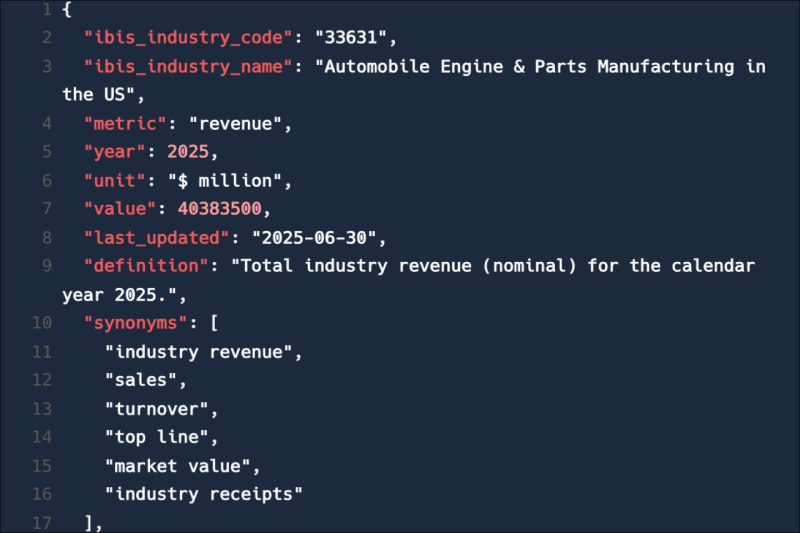
Feed trusted, human-driven industry intelligence straight into your platform.
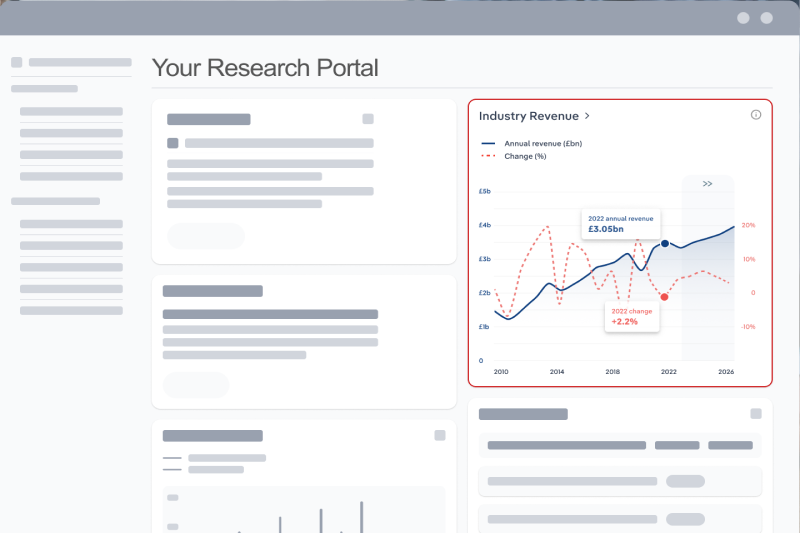
Streamline your workflow with IBISWorld’s intelligence built into your toolkit.
Explore industries with similar markets, supply chains, and economic drivers to gain broader context and insights.
| Industry | Country | Last 5-yr CAGR | Forecast 5-year CAGR | Revenue |
|---|---|---|---|---|
| Beef Cattle Ranching & Farming in the US |

|
XX% | XX% | $XX |
| Hog & Pig Farming in the US |
|
XX% | XX% | $XX |
| Cattle & Hog Wholesaling in the US |
|
XX% | XX% | $XX |
| Meat Processing in the US |
|
XX% | XX% | $XX |
| Hot Dog & Sausage Production in the US |
|
XX% | XX% | $XX |
| Bacon Production in the US |
|
XX% | XX% | $XX |
| Beef & Pork Wholesaling in the US |
|
XX% | XX% | $XX |
| Meat Jerky Production in the US |
|
XX% | XX% | $XX |
| Meat Markets in the US |
|
XX% | XX% | $XX |
| Sheep Farming in the US |
|
XX% | XX% | $XX |
| Burger Restaurants in the US |
|
XX% | XX% | $XX |
| Rendering & Meat Byproduct Processing in the US |
|
XX% | XX% | $XX |
When the stakes are high, you need intelligence that cuts through the noise—wherever you work.
The producer price index for red meat in the US in 2026 was 327.44 index points.
The producer price index for red meat in the US grew by 13.78% in 2026.
IBISWorld’s data and analysis on producer price index for red meat in the US includes forecasted growth rates over the next five years.