
IBISWorld Platform
Answer any industry question in minutes with our entire database at your fingertips.

Total health expenditure is estimated to reach $5.9 trillion in 2026, reflecting persistent and broad-based growth in the healthcare sector as both demand and prices rise together. Spending is projected to increase 5.4% in 2026, supported by higher utilization of medical services, inflation in medical costs, broader insurance coverage and continuing advances in medical technologies that frequently carry premium price tags and recurring maintenance expenses. The United States continues to devote a high and rising share of resources to healthcare, influenced by ongoing economic development, demographic aging and structural inefficiencies in care delivery and financing systems. Additional upward pressure on costs is emerging from healthcare supply chains, insurer benefit design and rapid adoption of expensive therapies. The rise of GLP-1 drugs, for example, is raising treatment costs as reliance expands and large-scale production ramps up to meet demand, even as the expiration of enhanced ACA Marketplace tax credits shifts more costs onto enrollees.Over the five years to 2026, national health expenditure has trended upward at an average annualized rate of 6.5%. The onset of the COVID-19 pandemic in 2020 led to a sharp increase of 10.4% in health expenditure, primarily due to surges in demand for emergency care, long-term treatments, and increased public health spending. The subsequent development and distribution of coronavirus vaccines and boosters in 2021 helped moderate hospitalizations, but healthcare spending remained elevated in the aftermath. There was a 4.2% increase in total expenditure in 2022 as federal public health funding rose, partly offsetting expiring COVID-19 funding. Throughout the period, the discovery of lasting effects of the coronavirus continued to support high healthcare utilization and additional costs. Healthcare reform stemming from the Patient Protection and Affordable Care Act (PPACA) continued to expand insurance coverage, with mechanisms such as health insurance exchanges and related tax credits increasing access and utilization, even as some states declined to expand Medicaid coverage. Socioeconomic factors, particularly the close link between wealth and healthcare expenditure, persisted, with developed countries like the United States exhibiting higher spending as medical advances supplied new treatments and technologies. Structural inefficiencies in healthcare delivery and financing, along with lower out-of-pocket expense requirements, contributed to further medical cost inflation.Total health expenditure has experienced steady growth over the past five years, shaped by the cumulative effects of pandemic response, ongoing reform initiatives, and underlying demographic and economic drivers. Rising insurance coverage, increased public funding, persistent medical inflation, and continued uptake of technology and therapeutics remain key contributors to growth in national healthcare spending during this period.
Curious about what drives these trends? IBISWorld's analyst coverage on the total health expenditure includes detailled analysis on the current performance, outlook and industries affected.
1980-2032
This report tracks total health expenditure in the United States. This includes public and private spending on activities that – through the application of medical, paramedical and nursing knowledge and technology – have the goal of promoting health and preventing disease. The estimates consist of expenditures for the services of physicians and other medical professionals, dentists, home healthcare agencies, nursing homes, hospitals and health insurers; goods such as prescription and non-prescription drugs and other medical supplies; investment in structures and equipment; and government health programs. The data does not include spending on general public safety measures, such as technical standards monitoring and road safety, nor food and hygiene control. Data and forecasts are sourced from the Centers for Medicare and Medicaid Services' (CMS) National Health Expenditure Accounts (NHEA). The values are presented in 2012 constant dollars.
IBISWorld Industry Reports are available in multiple formats to fit seamlessly into your workflow.

Answer any industry question in minutes with our entire database at your fingertips.
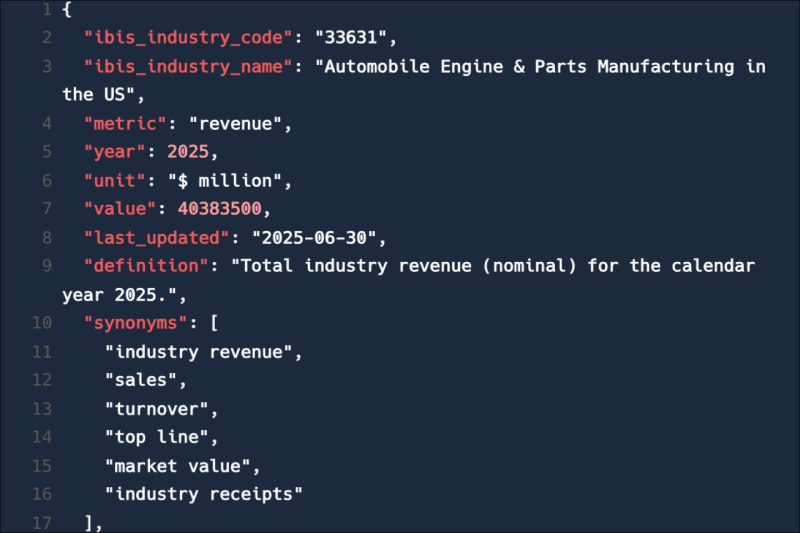
Feed trusted, human-driven industry intelligence straight into your platform.
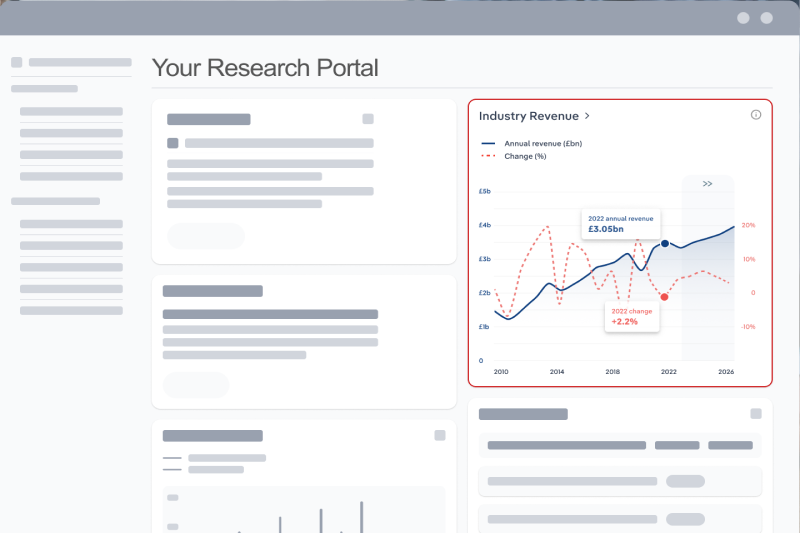
Streamline your workflow with IBISWorld’s intelligence built into your toolkit.
Explore industries with similar markets, supply chains, and economic drivers to gain broader context and insights.
When the stakes are high, you need intelligence that cuts through the noise—wherever you work.
The total health expenditure in the US in 2026 was $5.94 trillion.
The total health expenditure in the US grew by 6.54% in 2026.
IBISWorld’s data and analysis on total health expenditure in the US includes forecasted growth rates over the next five years.