
IBISWorld Platform
Answer any industry question in minutes with our entire database at your fingertips.

University of New South Wales is a Government Body that generates the majority of its income from the University and Other Higher Education industry. In 2023 the company generated total revenue of $1,309,607,000 including sales and other revenue. In 2023 University of New South Wales had 6,937 employees including employees from all subsidiaries under the company's control. The Chief Executive of University of New South Wales is Prof Attila Brungs whose official title is President & Vice-Chancellor. The Chairman of University of New South Wales is Mr David Gonski whose official title is Chancellor. The University of New South Wales operates the Kensington campus, Paddington campus, the Canberra campus, and the Sydney CBD campus. The university operates the following faculties: Arts, Design & Architecture Business School Engineering Law & Justice Medicine & Health Science UNSW Canberra at the Australia Defence Force Academy (ADFA)Through the faculties mention above the university offers undergraduate and postgraduate degrees in the form of bachelor's degrees, postgraduate diplomas and certificates, master's degrees, and doctorates.

Answer any industry question in minutes with our entire database at your fingertips.
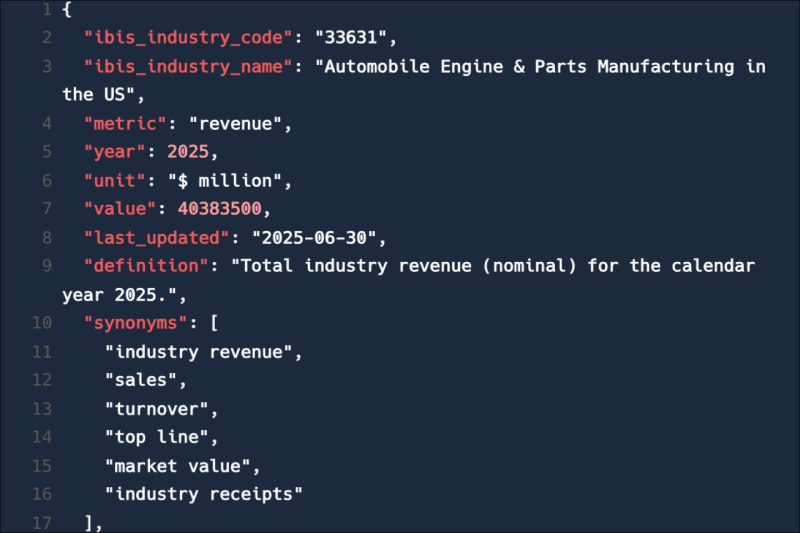
Feed trusted, human-driven industry intelligence straight into your platform.
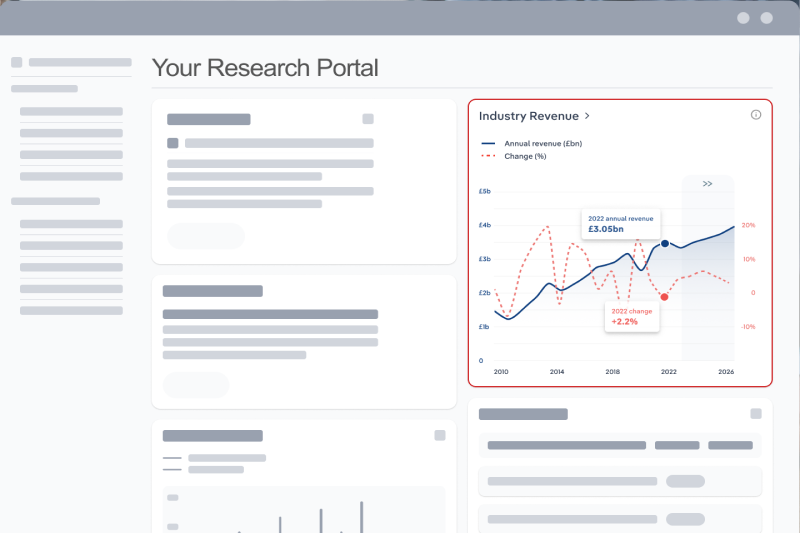
Streamline your workflow with IBISWorld’s intelligence built into your toolkit.
IBISWorld's research coverage of University of New South Wales includes financial statements, operating segments, competitor benchmarking, key personnel and shareholders.
University of New South Wales, trading as University of New South Wales, operates under the ABN 57 195 873 179 and was incorporated on 01 January 1949. University of New South Wales primarily operates in the University and Other Higher Education industry in Australia.
The Key Personnel chapter outlines the principal leadership positions within University of New South Wales, including the Chairman, Board members, Chief Executive Officer, and other key management personnel. It provides an overview of the company’s governance and executive structure, along with a breakdown of gender diversity across leadership roles, offering insight into the composition of the organisation’s senior team.
The Financials chapter presents University of New South Wales’s historical financial performance, including detailed profit and loss statements outlining sales revenue, cost of sales, and profitability. It also incorporates balance sheet data, providing a breakdown of assets and liabilities, as well as additional financial metrics such as the number of shares on issue. Together, these disclosures offer a comprehensive view of the company’s financial position and performance over time.
The Growth & Ratios chapter provides historical data on key financial performance indicators, enabling an assessment of the company’s operational efficiency, profitability, and financial structure over time. Metrics covered include return on equity, return on assets, profit margins, revenue per employee, as well as gearing and leverage ratios, offering a comprehensive view of performance trends and capital management.
The Operating Segments chapter provides an overview of the revenue composition and asset allocation across the various industries in which University of New South Wales operates. It offers insights into how the company’s financial performance is distributed among its core business segments, highlighting the relative contribution of each industry to total revenue.
The Competitor Benchmarking chapter includes a comparative assessment of University of New South Wales’s key financial, growth, and valuation ratios against industry averages to evaluate its competitive position. It analyses valuation metrics such as price-to-earnings, price-to-book, enterprise value to EBITDA, and enterprise value to sales, alongside core financial indicators including liquidity ratios and profitability measures.
The Shareholders chapter provides a breakdown of the ownership structure of University of New South Wales, identifying key shareholders and outlining their respective ownership interests. This section offers insight into the concentration of shareholdings, the presence of institutional or strategic investors, and the overall distribution of equity within the company.
The Subsidiaries chapter provides an overview of the companies and business entities that are wholly or partially owned by University of New South Wales. It outlines the ownership structure of each subsidiary, offering insight into the broader corporate group and how these entities contribute to the company’s overall activities and performance.
The History chapter presents a overview of University of New South Wales’s development, highlighting key milestones and significant corporate events since its incorporation. It includes the company’s incorporation date and outlines major strategic, operational, and structural developments, providing context for its evolution and current market position.
More than 6,000 businesses use IBISWorld to shape local and global economies
We were able to supplement our reports with IBISWorld’s information from both a qualitative and quantitative standpoint. All of our reporting now features some level of IBISWorld integration.

IBISWorld delivers the crisp business knowledge we need to drive our business. Whether it be serving up our major clients, winning new business or educating on industry issues, IBISWorld brings real value.

IBISWorld has revolutionised business information — which has proved commercially invaluable to exporters, investors and public policy professionals in Australia and overseas.

When you’re able to speak to clients and be knowledgeable about what they do and the state that they operate in, they’re going to trust you a lot more.

The University of New South Wales operates the Kensington campus, Paddington campus, the Canberra campus, and the Sydney CBD campus. The university operates the following faculties: Arts, Design & Architecture Business School Engineering Law & Justice Medicine & Health Science UNSW Canberra at the Australia Defence Force Academy (ADFA)Through the faculties mention above the university offers undergraduate and postgraduate degrees in the form of bachelor's degrees, postgraduate diplomas and certificates, master's degrees, and doctorates.
University of New South Wales, trading as University of New South Wales, is a Private Company that generates the majority of its income from the University and Other Higher Education industry in Australia.
Murray Cod Australia Limited company is based at High Street, Kensington, New South Wales, Australia.
The President & Vice-Chancellor of University of New South Wales is David Gonski and the President & Vice-Chancellor is Attila Brungs.
In 2025, University of New South Wales generated total revenue of approximately $1.3 billion.